Faculty Members
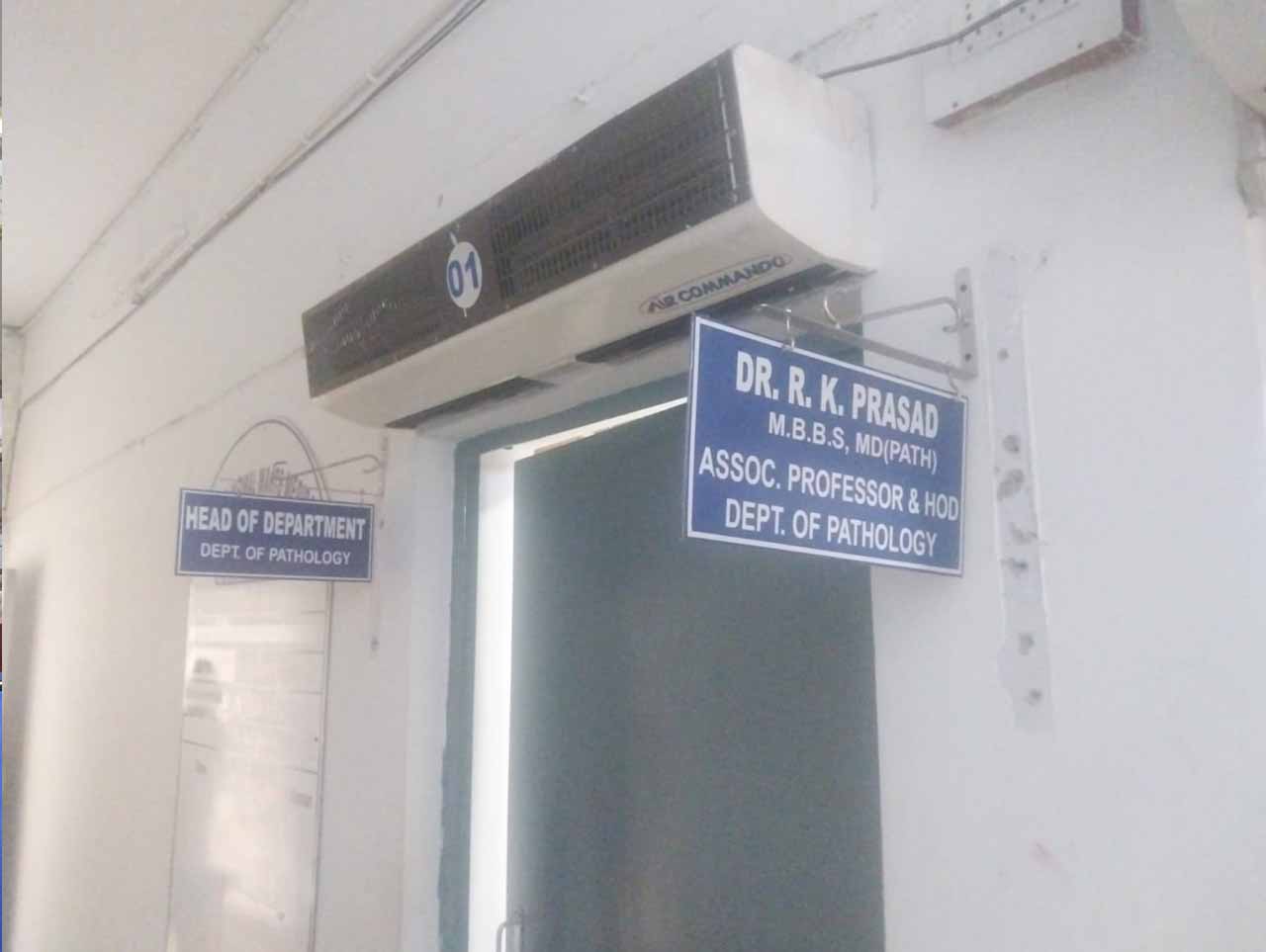
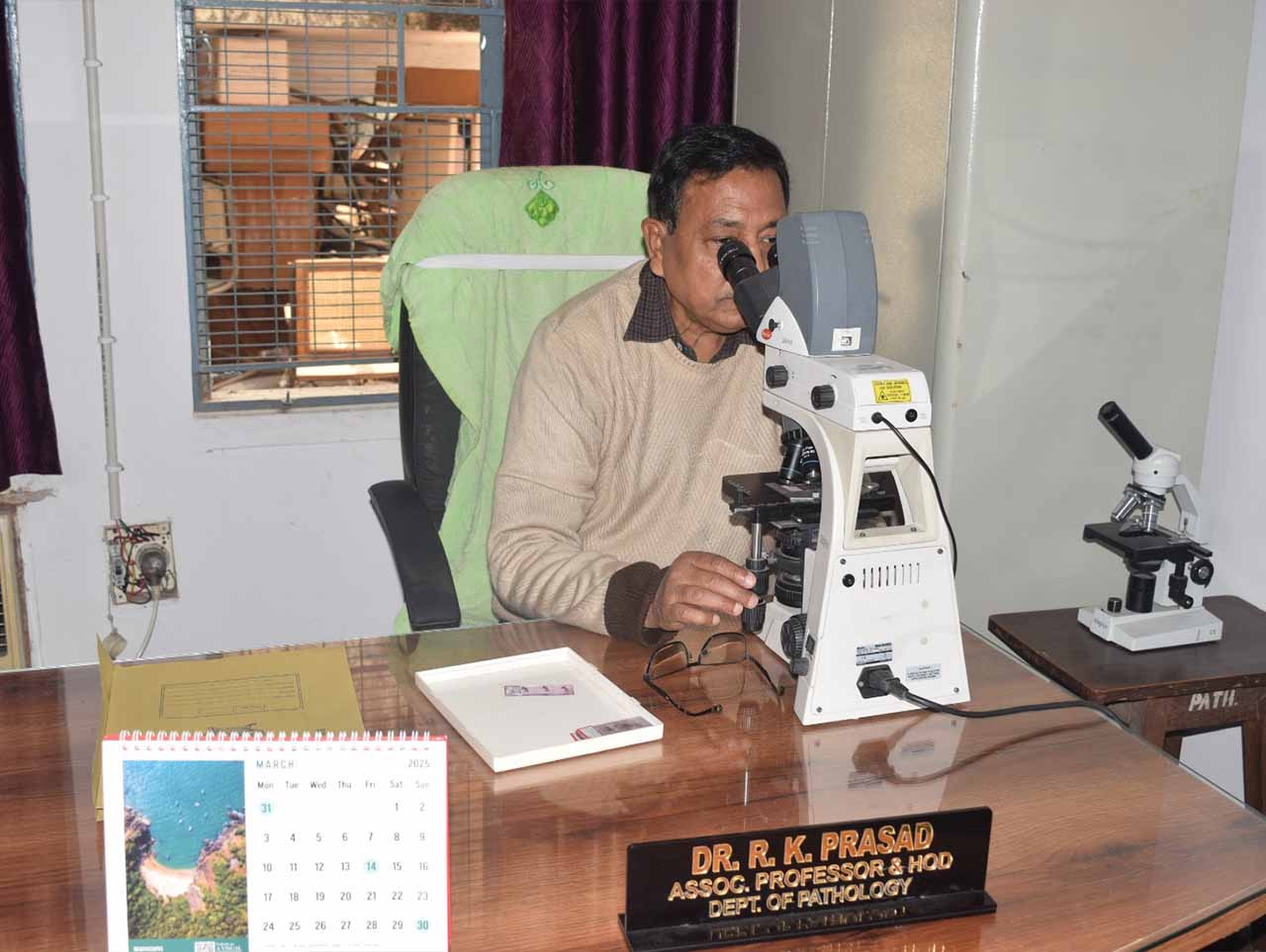
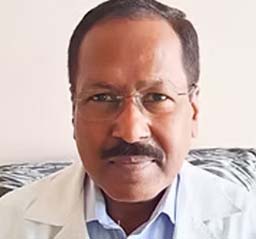
Dr. Raj Kumar Prasad
Associate Professor & HOD
Qualification : MBBS, MDEmail Id : pmch.drraj@gmail.com
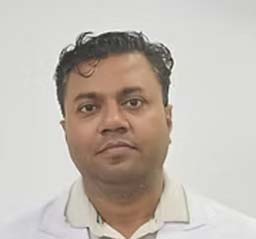
Dr. Ganesh Kumar
Associate Professor
Qualification : MBBS, MDEmail Id : dr.ganesh_kumar@yahoo.com
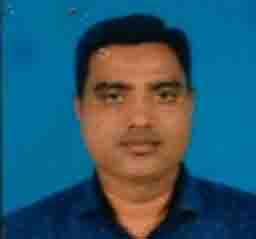
Dr. Ravi Shankar
Assistant Professor
Qualification : MBBS, MDEmail Id : ravirimsran02@gmail.com
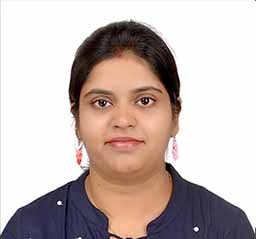
Dr. Md. Alimuddin Ansari
Assistant Professor
Qualification : MBBS, MDEmail Id : alimansari3329@gmail.com
Dr. Nisha Kumari
Assistant Professor
Qualification : MBBS,MDEmail Id : nishalal09rinky@gmail.com
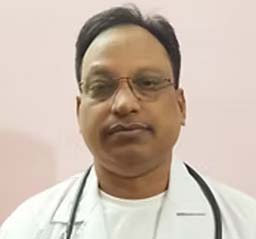
Dr. Chandra Shekhar Suman
Tutor
Qualification : MBBS, DCPEmail Id : drcssuman@gmail.com
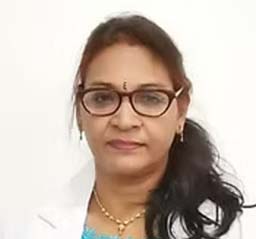
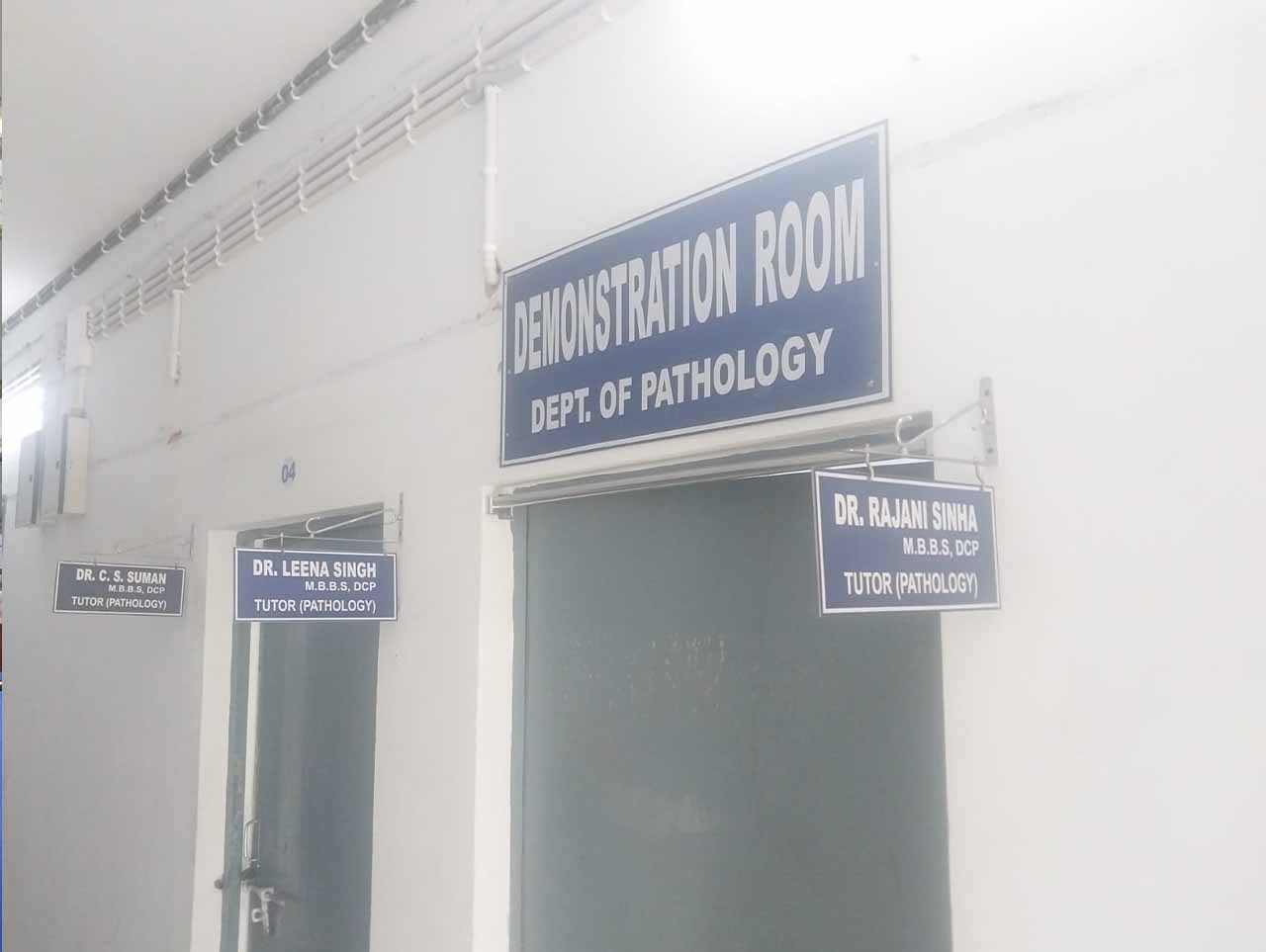
Dr. Rajani Sinha
Tutor
Qualification : MBBS, DCPEmail Id : rajanisinha83551@gmail.com
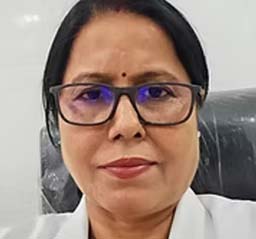
Dr. Leena Singh
Tutor
Qualification : MBBS, DCPEmail Id : singhdrleena@gmail.com
Dr. Nasrin Parwin
Tutor
Qualification : MBBS, MDEmail Id : nasrin066parwin@gmail.com
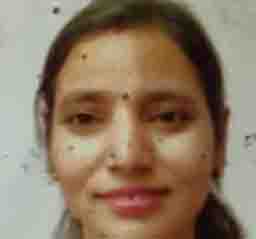
Dr. Pooja Kumari
Tutor
Qualification : MBBS, MDEmail Id : drginni10@gmail.com
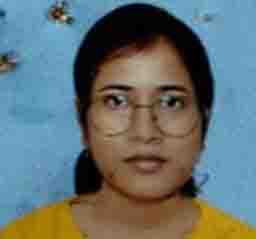
Dr. Sampa Mandal
Tutor
Qualification : MBBS, MDEmail Id : sampamandal519@gmail.com
Department of Pathology
GOAL
The broad goal of the teaching of undergraduate student in Pathology is to provide the students with a comprehensive knowledge of the mechanisms and causes of disease.
In order to enable him/her to achieve complete understanding of the natural history and clinical manifestations of disease.
OBJECTIVES
A) KNOWLEDGE
At the end of the course, the student should be able to :-
1. Describe the structure and ultrastructure of a sick cell, mechanisms of cell degeneration, cell death and repair and be able to correlate structural and functional alterations.
2. The pathophysiological processes which govern the maintenance of homeostasis, mechanisms of their disturbance and the morphological and clinical manifestations associated with it.
3. The mechanisms and patterns of tissue response to injury such that she/he can appreciate the pathophysiology of disease processes and their clinical manifestations.
4. Correlate normal and altered morphology (gross and microscopic) of different organ systems in common diseases to the extent needed for understanding of disease processes and their clinical significance.
B) SKILLS
At the end of the course, the student should be able to describe the following below :-
1. The rationale and principles of technical procedures of the diagnostic laboratory tests and interpretation of the results.
2. Performance of the simple bed-side tests on blood, urine and other biological fluid samples.
3. To draw a rational scheme of investigations aimed at diagnosing and managing the cases of common disorders.
4. To understand biochemical/physiological disturbances that occur as a result of disease in collaboration with pre clinical departments.
C) INTEGRATION
At the end of training he/she should be able to integrate the causes of disease and relationship of different etiological factors (social, economic and environmental) that contribute to the natural history of diseases most prevalent in India.
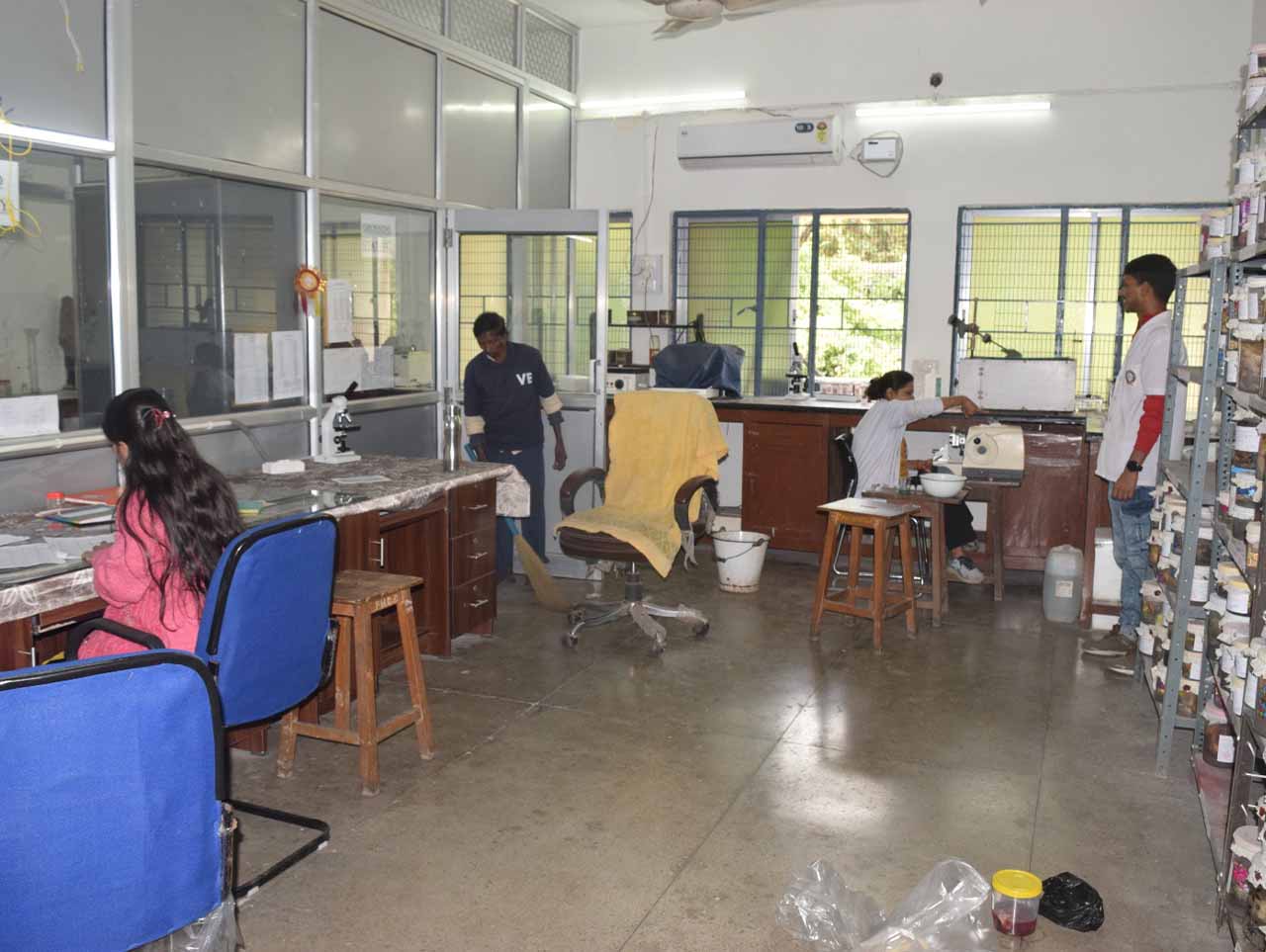
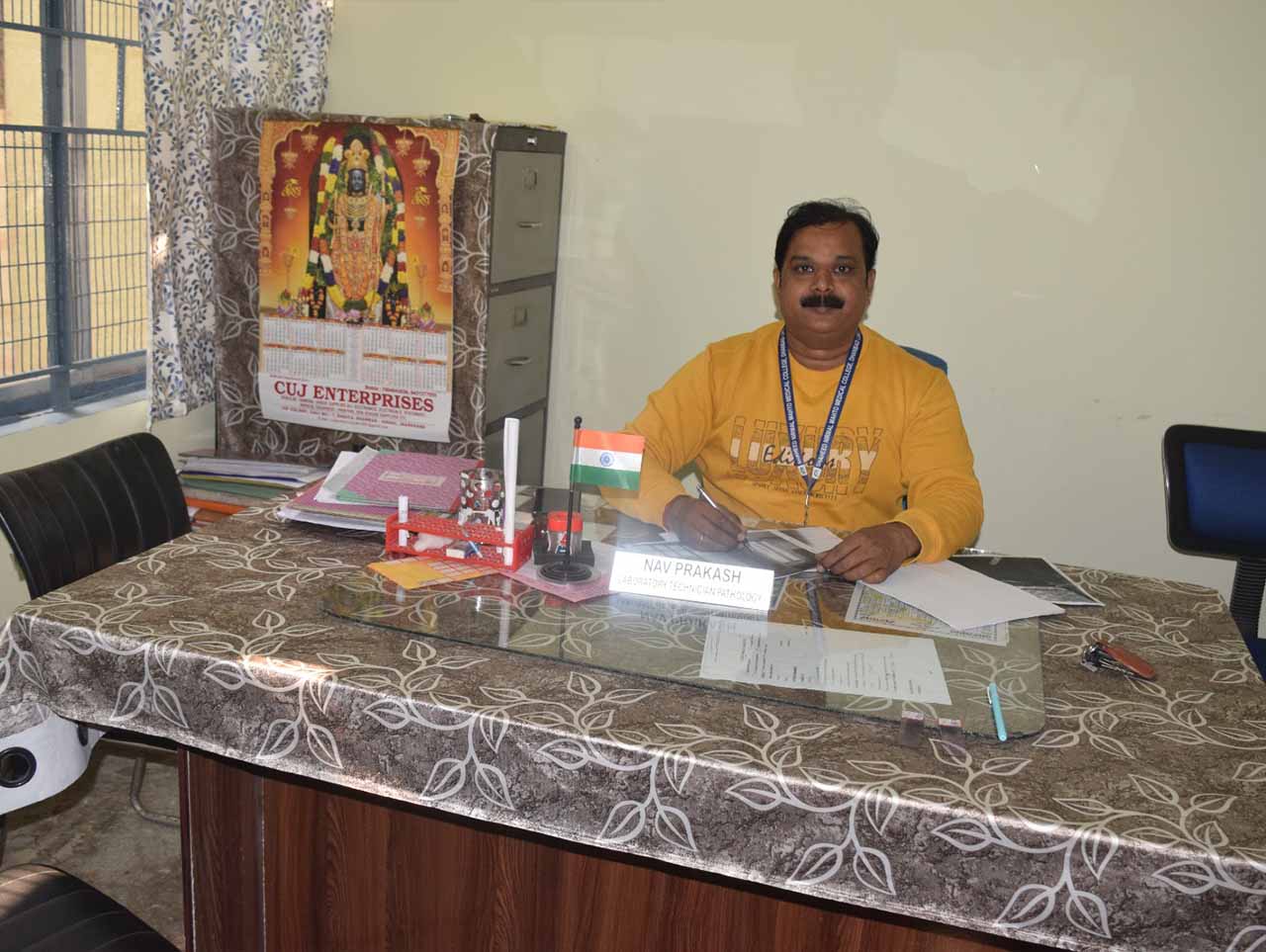
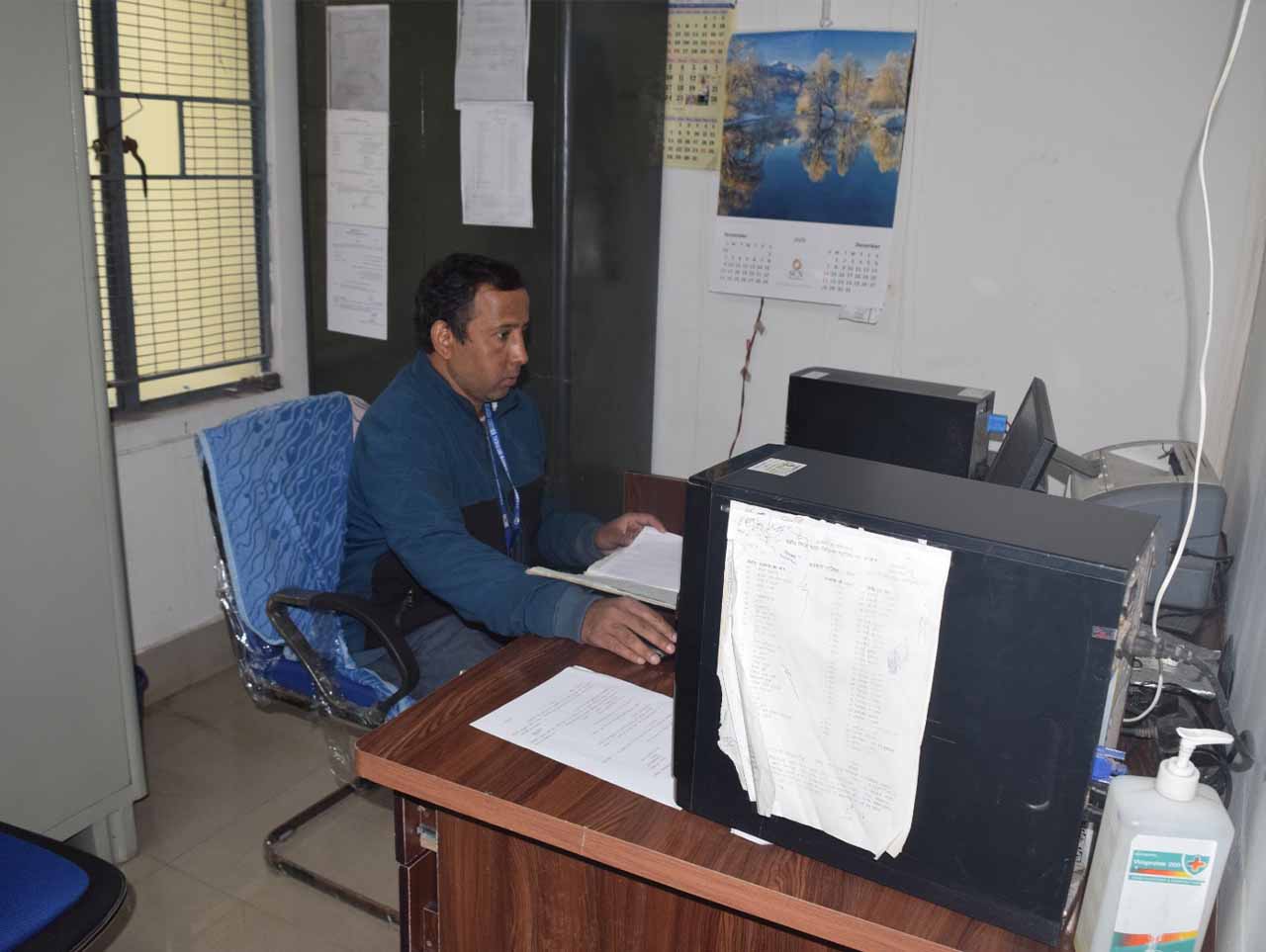
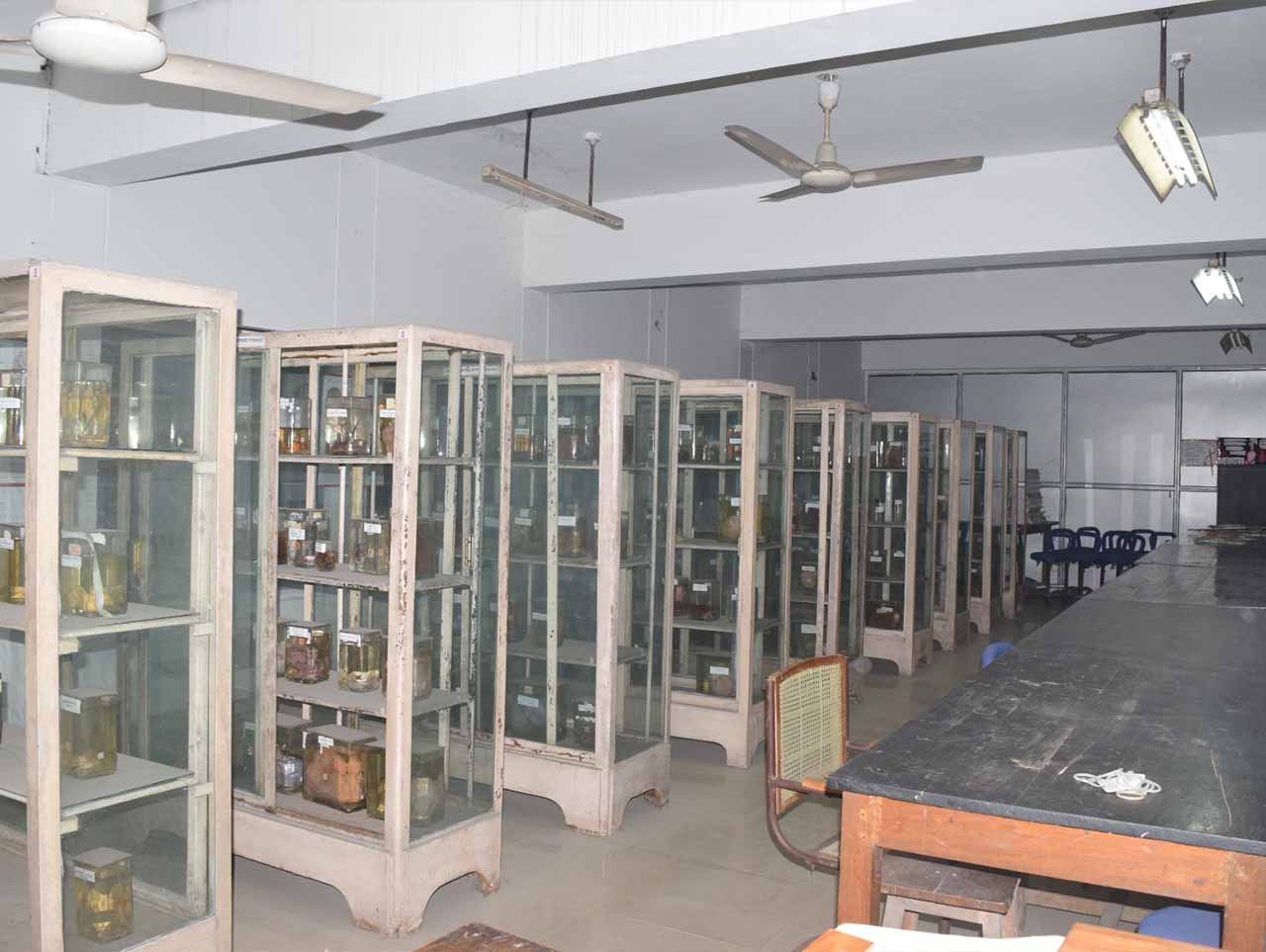
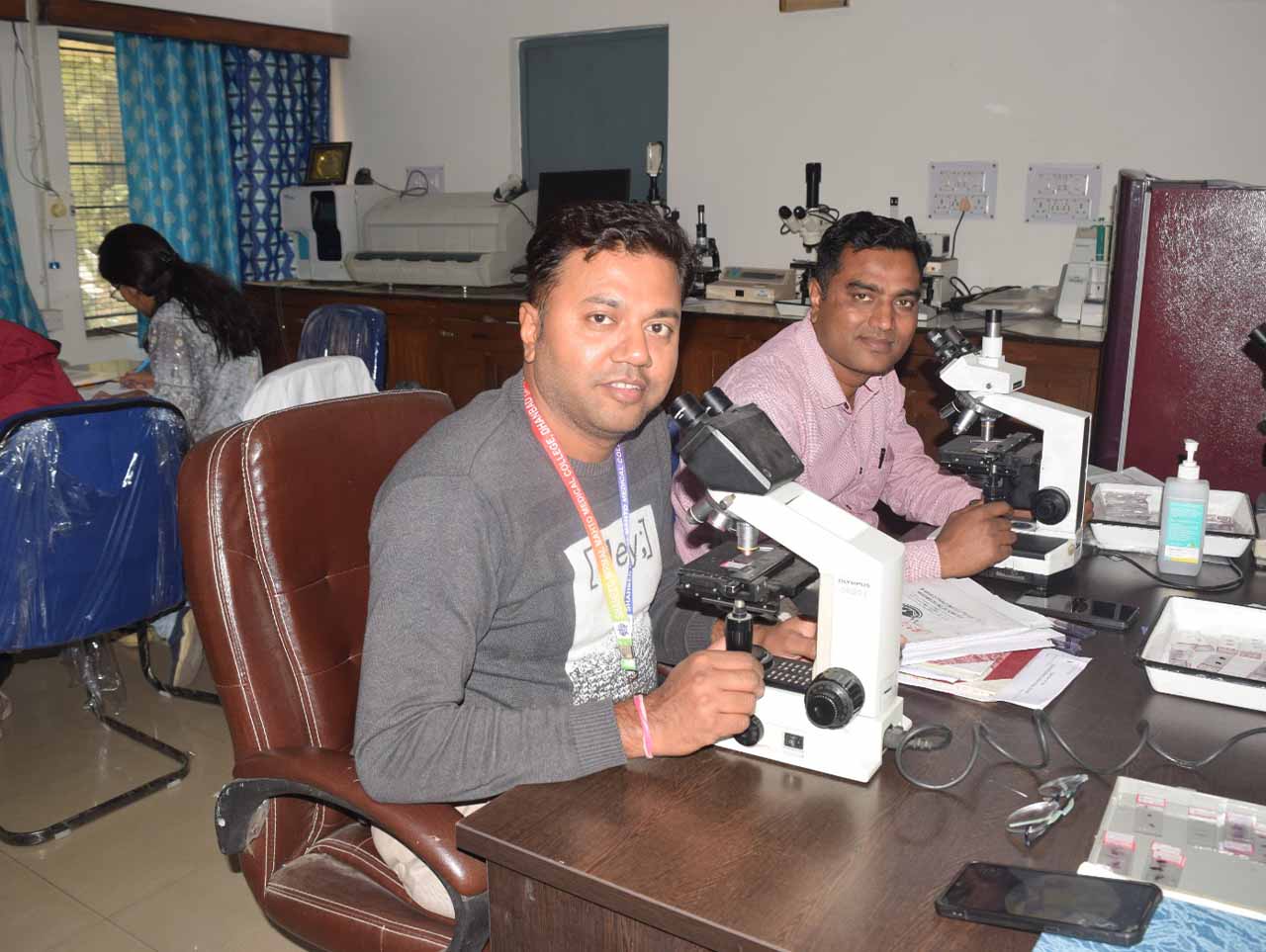
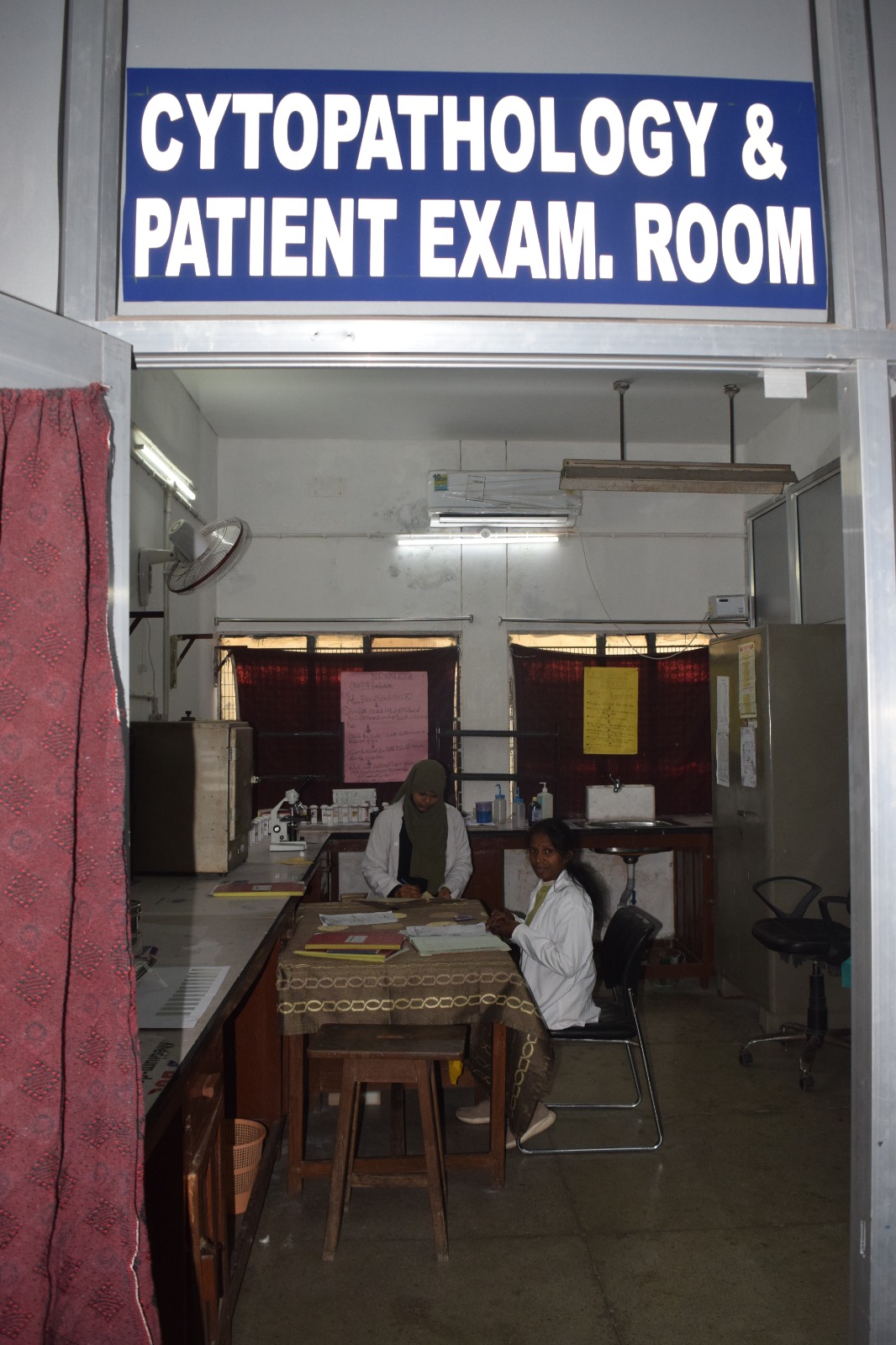
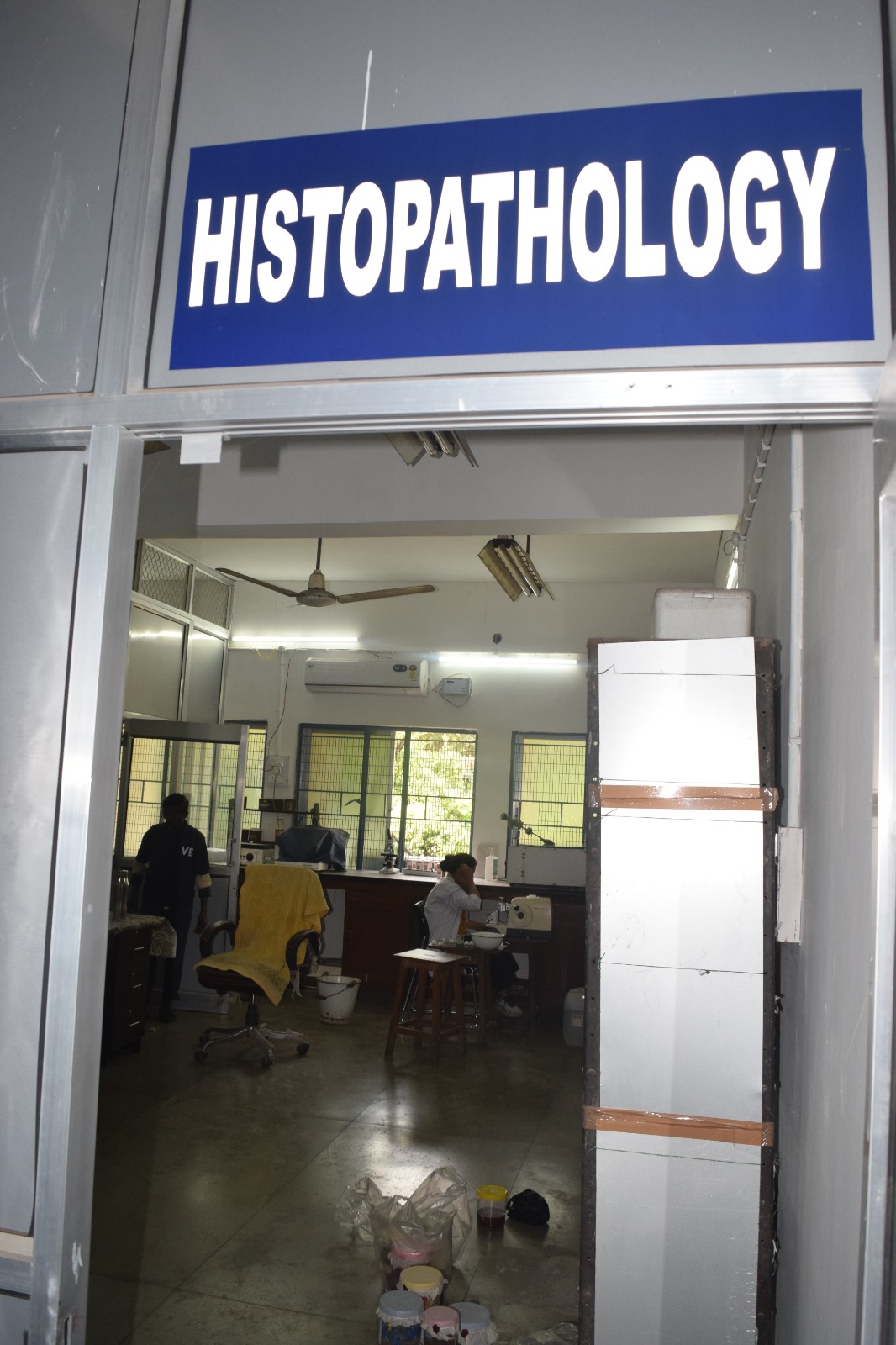
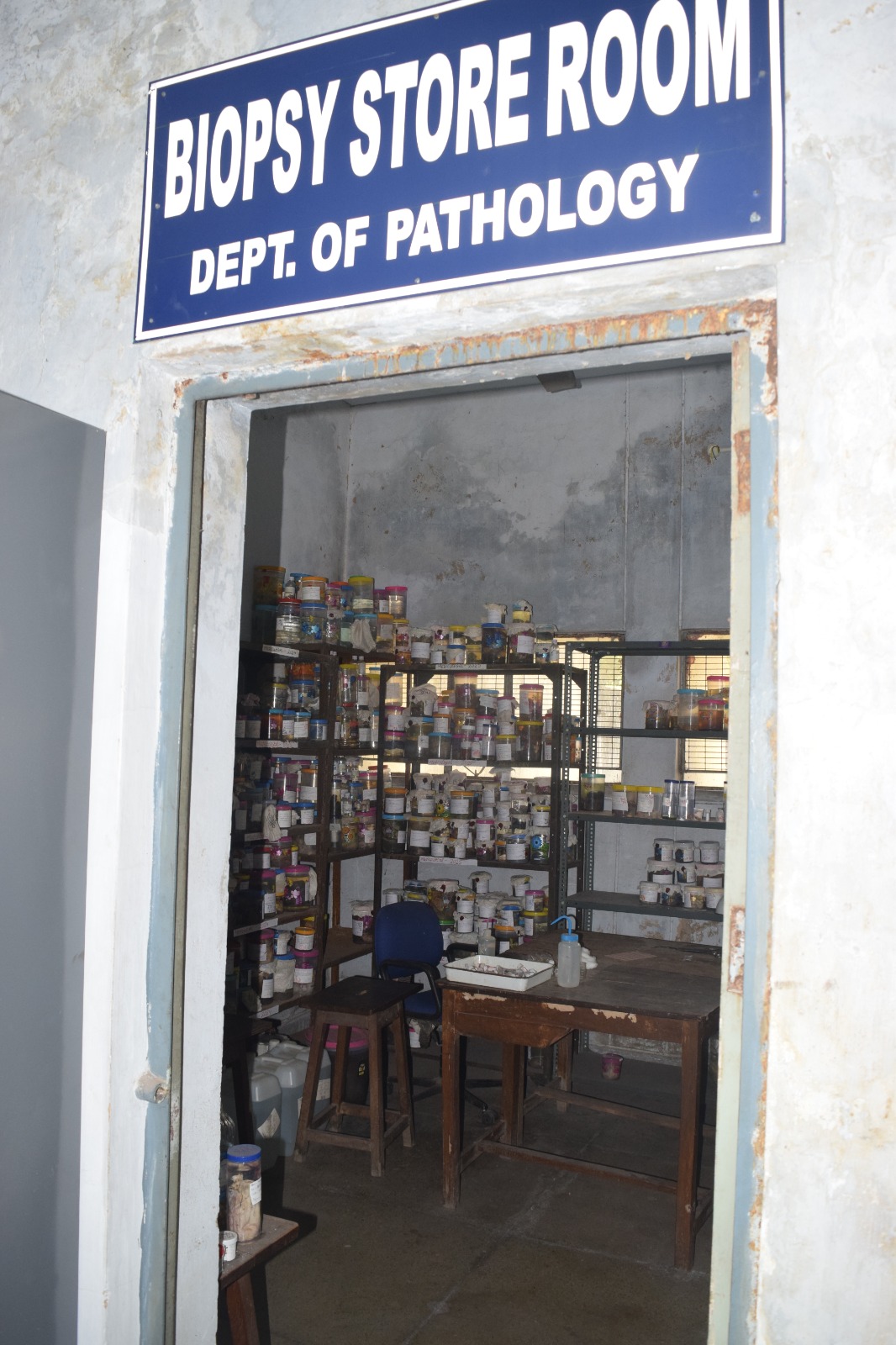
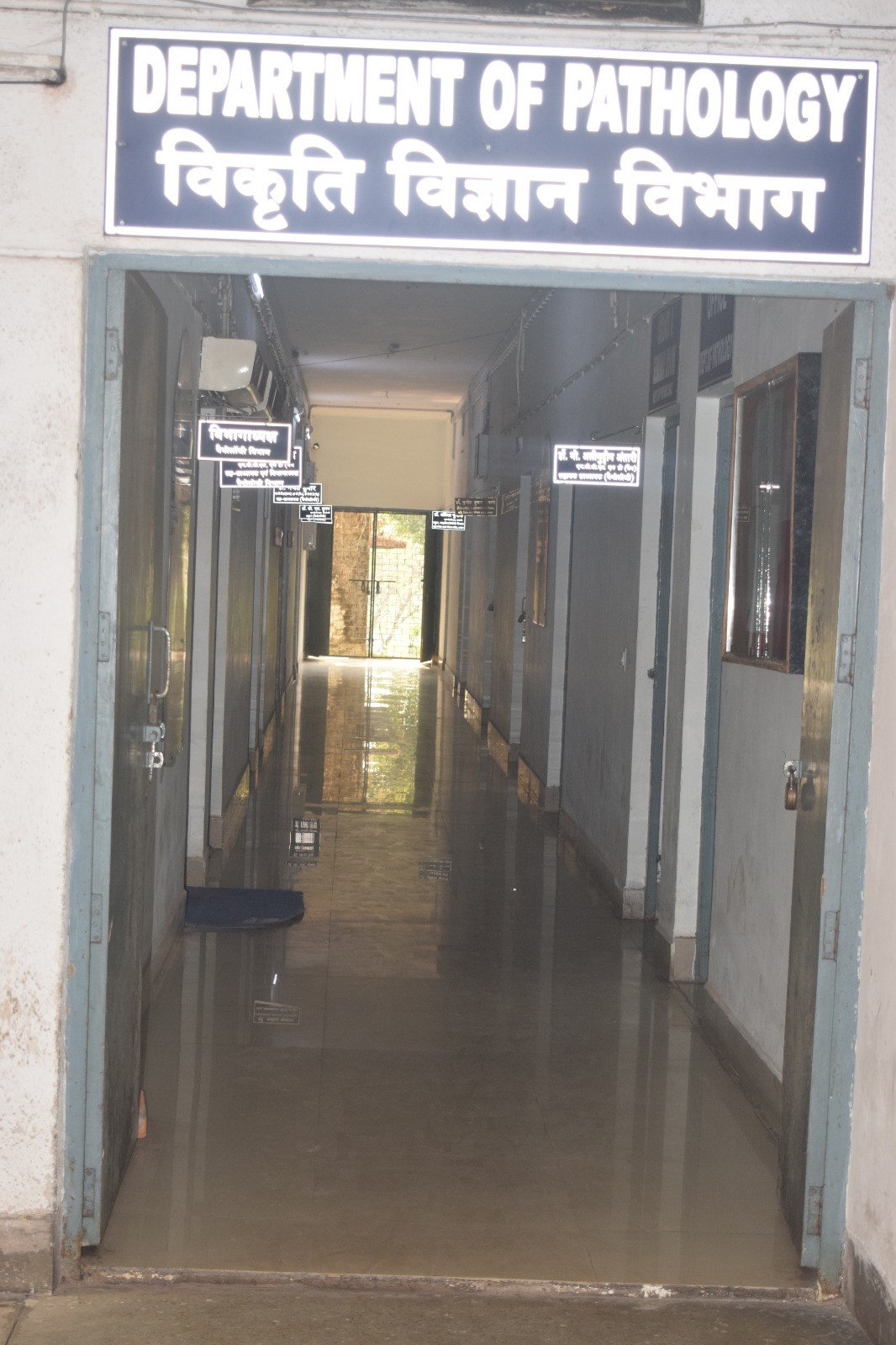
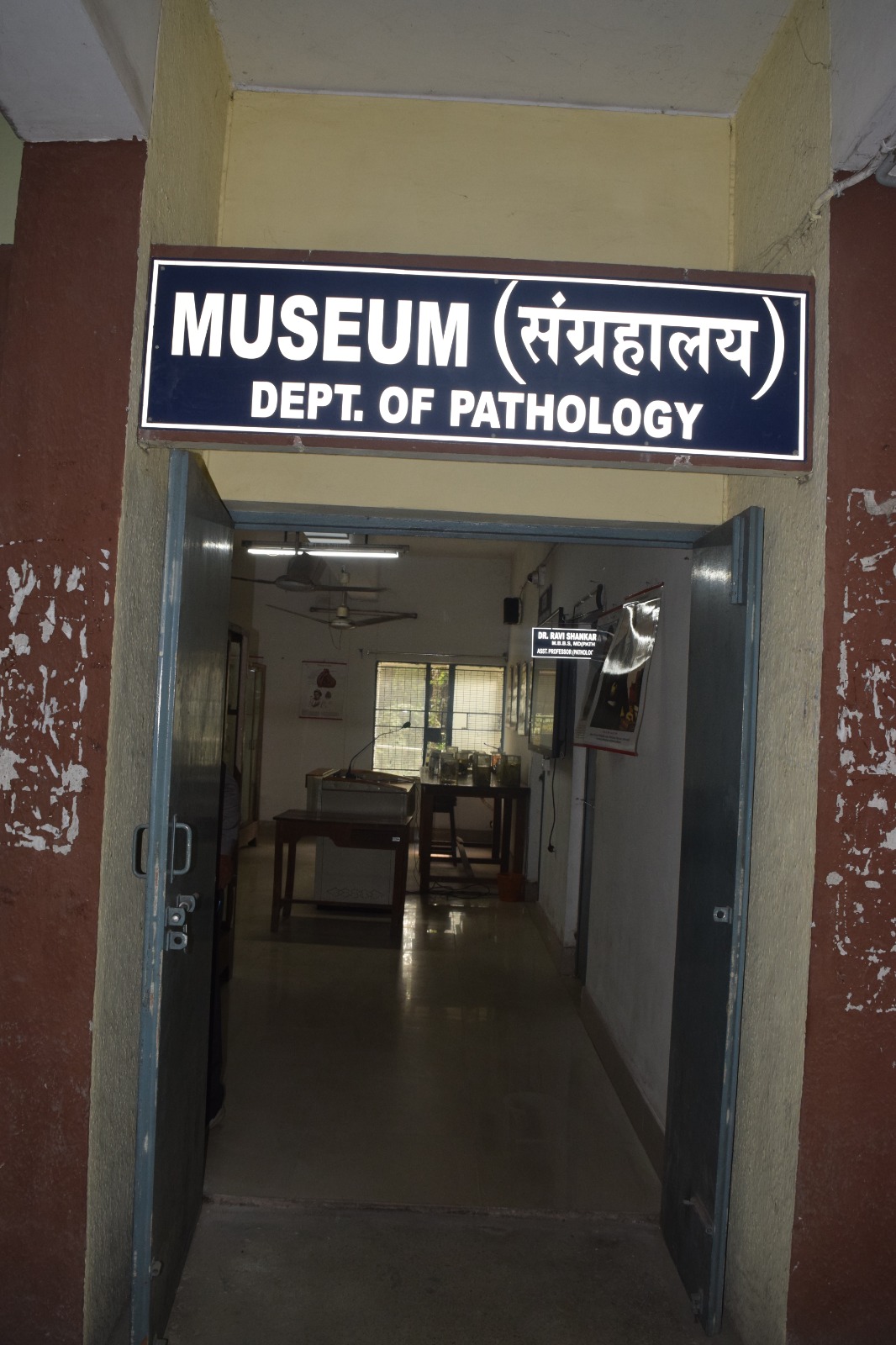
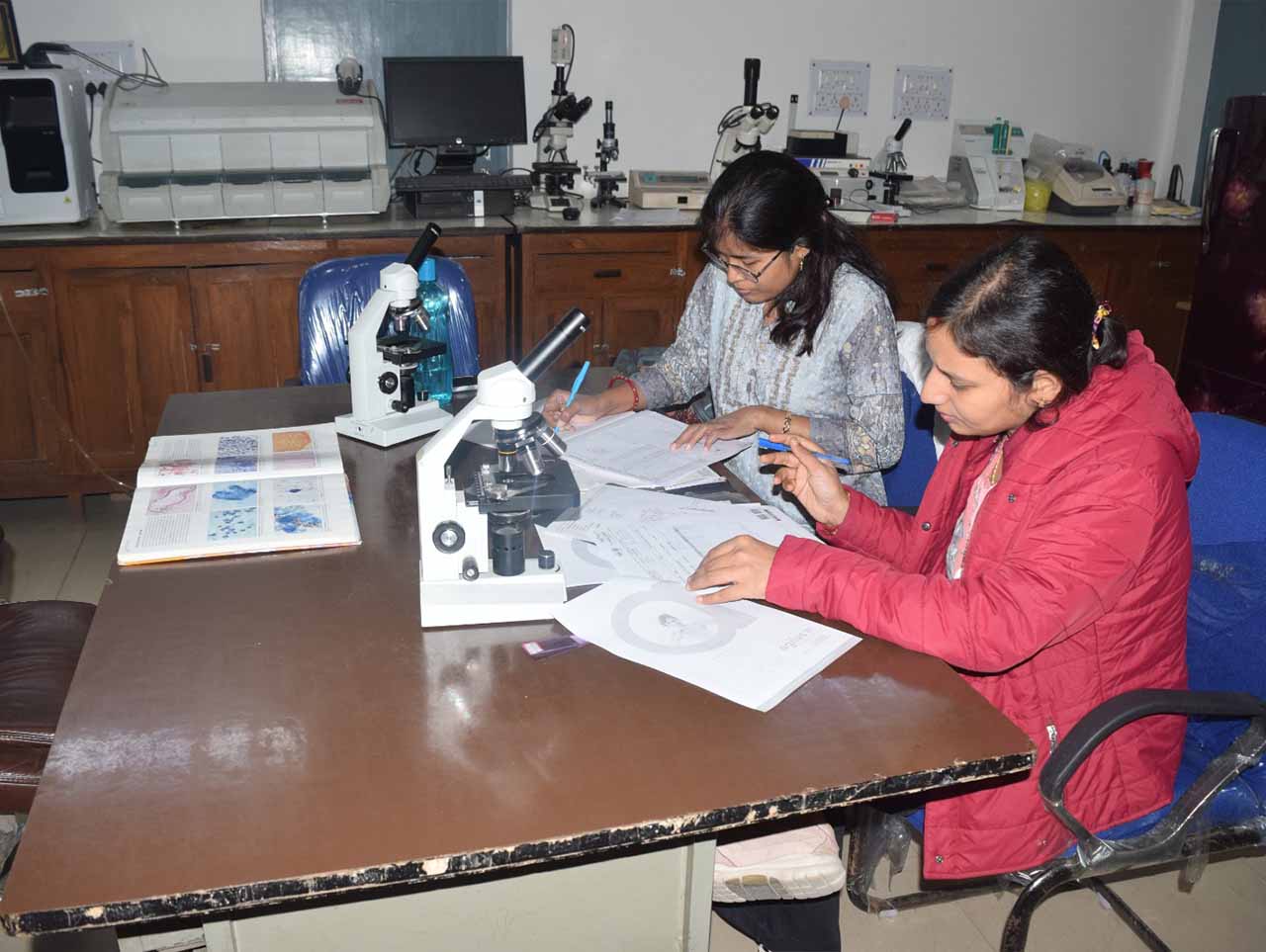
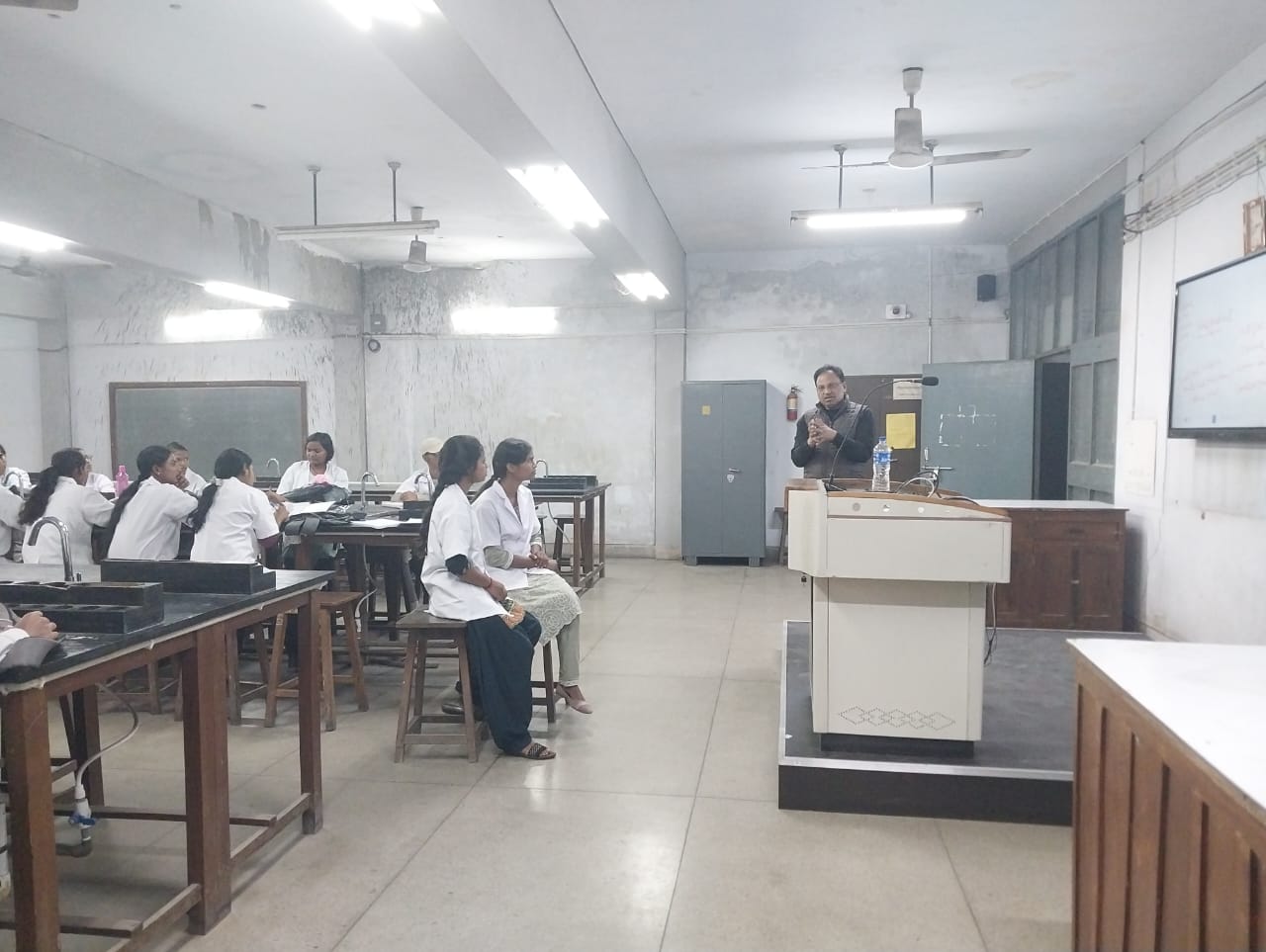
"Departmental Photos"